
Spay & Neuter
Safe, routine sterilization procedures performed by our skilled veterinary team in our modern surgical suite.
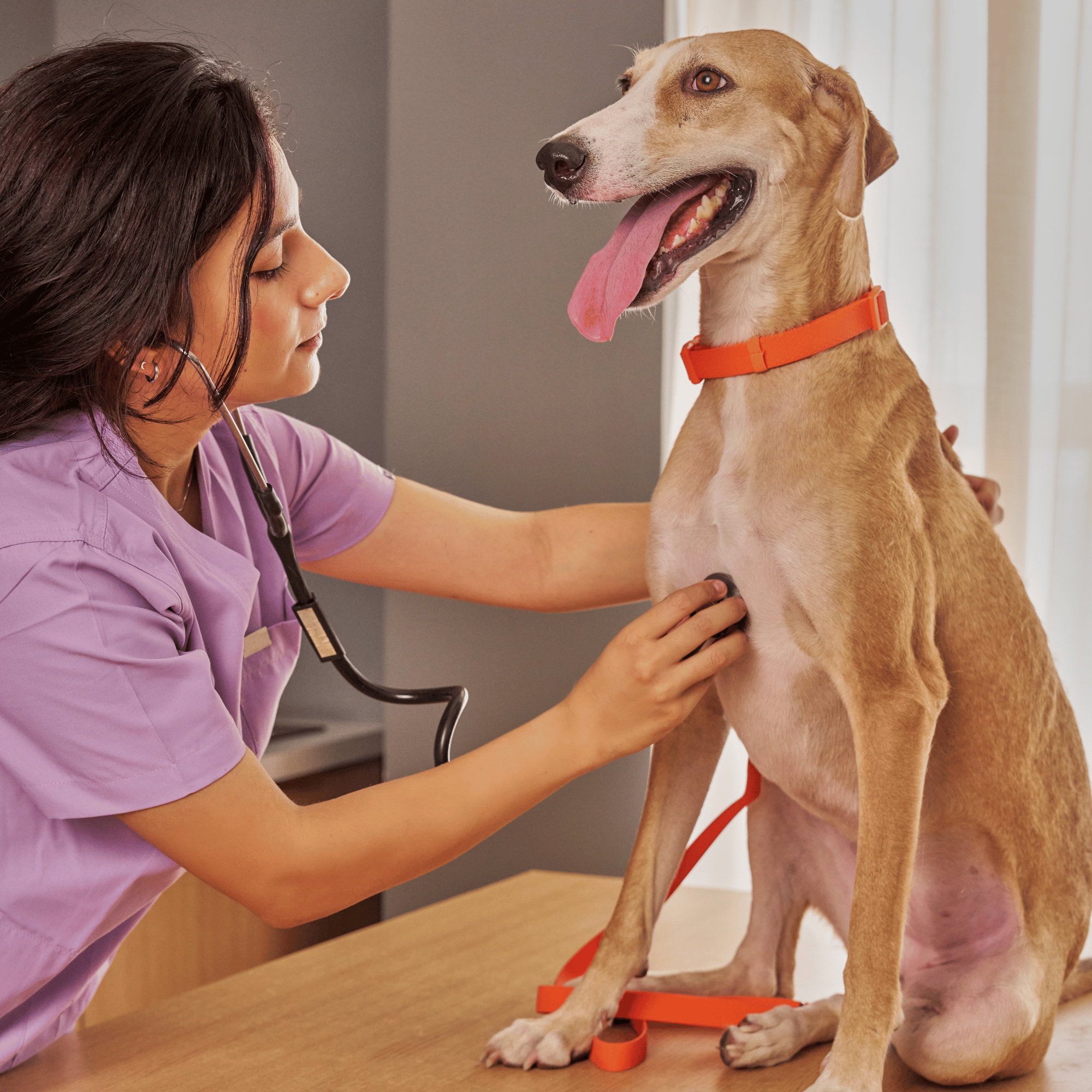
Primary & urgent vet care • Same day appointments • Pet insurance accepted
A Routine Procedure with Lifelong Benefits
Spaying (for females) and neutering (for males) are common surgical procedures that prevent reproduction and provide significant health and behavioral benefits for your pet.
Need Spay & Neuter?
Book a same-day appointment or call us directly.
Health Benefits
For Female Pets (Spaying):
- Eliminates the risk of uterine infections and uterine cancer
- Greatly reduces the risk of mammary (breast) cancer
- Prevents heat cycles and related behaviors
- Eliminates the risk of unwanted pregnancy
For Male Pets (Neutering):
- Eliminates the risk of testicular cancer
- Reduces the risk of prostate problems
- Decreases roaming and aggression
- Reduces urine marking behaviors
Membership Plans
Make care more predictable with our membership plans. Enjoy priority booking, discounted visits, and exclusive savings designed for your pet's wellbeing.
When to Spay or Neuter
We typically recommend spaying or neutering between 5-6 months of age. For large breed dogs, we may recommend waiting slightly longer. We'll discuss the best timing for your pet.
Related Services
- Surgeries
- Puppy visits
- Kitten visits
What to Expect
Before Surgery: Pre-anesthetic exam and bloodwork, fasting instructions, and answers to all your questions.
Day of Surgery: Safe anesthesia, sterile surgical technique, pain management, and careful monitoring throughout the procedure.
Recovery: Most pets go home the same day with pain medication and detailed aftercare instructions. Full recovery typically takes 10-14 days.
Insurance at the Visit
If your pet has insurance, we'll verify and bill it for spay & neuter visits. You only pay your portion—no waiting for reimbursement.
Prevention Saves Money
Preventive care costs far less than treating diseases that could have been prevented. Regular checkups catch problems early when they're easier and less expensive to treat.
Prevention Saves Money
Preventive care costs far less than treating diseases that could have been prevented. Regular checkups catch problems early when they're easier and less expensive to treat.
Prevention Saves Money
Preventive care costs far less than treating diseases that could have been prevented. Regular checkups catch problems early when they're easier and less expensive to treat.
Common Questions
What is the difference between spaying and neutering?
Spaying refers to the surgical removal of the reproductive organs of female pets, while neutering refers to the surgical removal of the testicles in male pets. Both procedures prevent your pet from reproducing and offer a range of important health and behavioral benefits.
At what age should my pet be spayed or neutered?
The recommended age can vary depending on your pet's species, breed, and size. In general, cats and small to medium dogs are often spayed or neutered around five to six months of age. Larger breed dogs may benefit from waiting a bit longer. Your veterinarian at Quill's Direct Vet Care will help determine the ideal timing for your specific pet.
How do I prepare my pet for their spay or neuter procedure?
Your veterinarian will provide specific pre-surgical instructions ahead of the procedure. Typically, your pet will need to fast for several hours before surgery. It is also important to ensure your pet is healthy and up to date on vaccinations prior to the procedure. We will walk you through everything you need to know to prepare.
What are the health benefits of spaying or neutering my pet?
Spaying and neutering can significantly reduce the risk of certain cancers and serious health conditions. Spaying females eliminates the risk of uterine infections and reduces the risk of mammary tumors. Neutering males reduces the risk of testicular cancer and certain prostate issues. Both procedures can also contribute to a longer, healthier life for your pet.
Will spaying or neutering change my pet's personality?
Spaying or neutering may reduce certain hormone-driven behaviors such as roaming, marking, mounting, and aggression, but it will not change your pet's core personality. Your pet will still be the same loving companion they have always been, often with a calmer and more settled disposition.
What does recovery look like after a spay or neuter procedure?
Most pets recover relatively quickly from spay and neuter procedures. You can expect your pet to be a little groggy and tired for the first day or two following surgery. It is important to restrict their activity, prevent them from licking or chewing at the incision site, and follow all post-operative care instructions provided by your veterinarian. A follow-up visit may be recommended to ensure proper healing.
Ready to Get Started?
Schedule your pet's appointment today and experience care that's better for them and simpler for you.